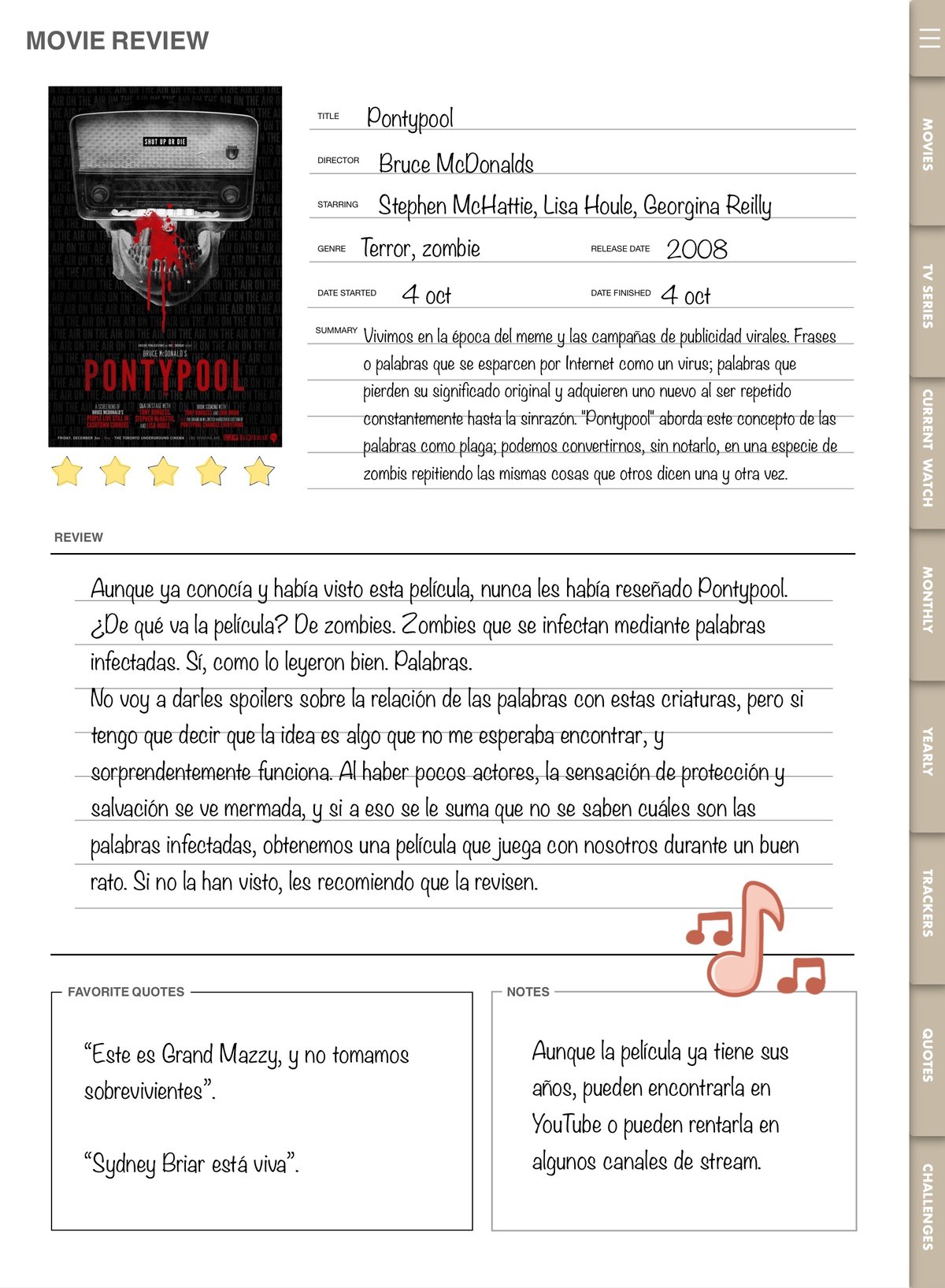
In an era overflowing with cinematic choices, where streaming platforms unleash a torrent of new releases weekly and blockbusters vie for attention at the multiplex, how do you decide what’s worth your precious time and money? This is where Críticas y Reseñas de Películas – movie reviews and critiques – step in, acting as indispensable guides. Far from mere summaries, these evaluations offer a lens through which to understand, appreciate, and critically engage with the art of filmmaking. Whether you're a casual moviegoer or a devoted cinephile, navigating the world of film reviews is key to unlocking richer cinematic experiences and making informed viewing decisions.
At a Glance: Navigating the World of Movie Reviews
- Why Reviews Matter: They save you time and money, broaden your perspective, and deepen your understanding of film as an art form.
- Types of Reviews: Distinguish between professional critics (deep analysis, industry context) and audience reviews (relatable sentiment, varied opinions).
- What Makes a Good Review: Look for thoughtful analysis beyond just a star rating, covering plot, technical aspects, performances, and themes, all presented without major spoilers.
- Using Reviews Wisely: Don't let a single review dictate your viewing. Read diverse opinions, consider the source, and use them as a starting point for your own critical engagement.
- The Evolving Landscape: Film criticism continues to adapt to digital platforms, social media, and AI, making it more accessible and interactive than ever.
The Enduring Power of Film Criticism in a Streaming Age
The cinematic landscape has never been more vibrant, or more crowded. From indie darlings struggling for distribution to studio tentpoles dominating the box office, there's an endless stream of content vying for your attention. In this deluge, the role of Críticas y Reseñas de Películas isn't just about telling you if a movie is "good" or "bad"; it's about providing context, sparking conversation, and guiding your choices. Think of a reliable film critic as your personal curator, sifting through the noise to highlight gems and forewarn you about potential duds.
Take, for instance, the consistent stream of new critiques found on sites like eCartelera, which meticulously breaks down diverse releases, from the cerebral 'Hamnet' earning an 8/10 for its immortal exploration of grief, to the widely anticipated but poorly received 'Return to Silent Hill', scoring a mere 4/10, suggesting a misstep in adapting a beloved property. These aren't just arbitrary numbers; they reflect a critic's considered judgment, dissecting everything from narrative coherence to artistic merit. Without such insights, navigating the sheer volume of films would be overwhelming, leaving many hidden masterpieces undiscovered and countless hours wasted on forgettable fare.
Decoding the Critics: Professional Insights vs. Audience Perspectives
Understanding the different voices in film criticism is crucial. While both professional critics and everyday moviegoers contribute to the discourse surrounding Críticas y Reseñas de Películas, their approaches, priorities, and ultimate value can differ significantly.
Professional Critiques: What Sets Them Apart?
Professional film critics are, at their best, seasoned experts. They bring a wealth of knowledge in film history, theory, genre conventions, and the technical aspects of filmmaking. Their reviews typically offer:
- Depth of Analysis: Beyond a simple plot summary, professional critics delve into directorial choices, cinematography, sound design, editing, screenwriting, and acting performances. They analyze why certain creative decisions were made and how they contribute to the overall impact of the film. For example, a critic might praise 'El hombre menguante' (7/10) for its transformation of a 1950s classic into a modern tale of societal disappearance, focusing on thematic resonance and artistic interpretation.
- Industry Context: A professional critic understands where a film fits within a director's oeuvre, its genre, and the broader cultural landscape. They can identify influences, innovations, and potential missteps within the industry. This contextual understanding adds layers to their assessment, helping viewers appreciate a film's place in cinematic history.
- Artistic Integrity: While opinions are inherently subjective, professional critics strive for a degree of objectivity in their analysis, grounding their arguments in verifiable elements of filmmaking. Their goal is often to evaluate a film as a work of art, considering its craft and intention, rather than just its entertainment value.
- Structured Argumentation: Professional reviews are typically well-structured essays, presenting a thesis, supporting arguments with specific examples from the film, and a reasoned conclusion. This helps readers understand the basis of the critic's rating, not just the rating itself.
Consider how eCartelera's critic might praise 'Rondallas' (9/10) as an "emotive, simple and captivating story" that goes "far beyond Galician folklore," highlighting its narrative power and emotional depth. Conversely, 'Coartadas' (4/10) might be dismissed as a "facile comedy" that fails to rise above its superficial premise. These evaluations go beyond personal preference, aiming to articulate the film's success or failure on artistic and storytelling terms.
Audience Reviews: The Pulse of the Public
Reader reviews, like those found prominently on eCartelera alongside professional critiques, offer a different, yet equally valuable, perspective. These are unfiltered opinions from everyday moviegoers, reflecting personal experiences and gut reactions.
- Relatability: Audience reviews often mirror the feelings of the average viewer. They are less concerned with technical jargon and more focused on whether a film was entertaining, thought-provoking, or disappointing from a personal standpoint.
- Volume and Sentiment: The sheer number of audience reviews can sometimes indicate a film's general public reception. A consistently high or low score across many readers can suggest a widespread sentiment, independent of critical consensus.
- Diverse Perspectives: With a multitude of voices, audience reviews capture a broader spectrum of opinions, sometimes revealing aspects or interpretations a single critic might miss. For instance, '28 años después: El Templo de los Huesos' garnered an 8.5/10 from "Loud3000," who provocatively asks if "the infected are the world's biggest problem," suggesting a thematic engagement often found in audience commentary.
However, audience reviews come with their own set of pitfalls: - Subjectivity and Bias: Personal taste heavily influences these reviews. What one person loves, another might despise. 'Rental Family (Familia de alquiler)' shockingly illustrates this, with "German17" giving it a 1.2/10 ("Muy mala"), while "Loud3000" awards it a 9.0/10, declaring "La verdad siempre vence a la falsedad" (Truth always triumphs over falsehood). Such stark contrasts highlight the extreme subjectivity.
- Spoilers: Unlike professional critics who meticulously avoid plot reveals, audience reviewers might inadvertently or intentionally include spoilers, ruining the experience for others.
- Lack of Context: Many audience reviews lack the deeper analytical framework of professional critiques, often focusing on surface-level reactions rather than nuanced understanding.
- "Review Bombing": Films can sometimes be unfairly targeted with negative reviews (or artificially boosted with positive ones) due to external controversies, social media campaigns, or groupthink, rather than the film's actual quality. 'Wicked: Parte II' received a scathing 0.5/10 from "silzai" ("Trágame Tierra," meaning "Swallow me, Earth"), which stands in sharp contrast to eCartelera's professional 8/10, suggesting a strong emotional reaction that may or may not be based on objective critique.
Finding the Balance: How to Use Both
The savviest moviegoers use both professional and audience Críticas y Reseñas de Películas. Start with professional reviews for a deep, informed analysis of a film's artistic merits and execution. If a film seems promising, then check audience scores and comments to gauge general public enjoyment and relatability. This dual approach provides a well-rounded picture, helping you decide whether a film aligns with your personal taste and critical expectations.
What Makes a Truly Great Movie Review? A Guide for Readers and Aspiring Critics
A great movie review is more than just a thumbs-up or thumbs-down. It's a piece of critical writing that enhances your understanding and appreciation of cinema. Whether you’re reading one or aspiring to write one, knowing the components of a robust critique is essential.
Beyond the Star Rating: Key Elements of a Comprehensive Critique
While star ratings provide a quick snapshot, the true value of a review lies in its prose. A comprehensive critique unpacks a film's many layers:
- Contextualization: A strong review places the film in its proper context. This might involve discussing the director's previous works (e.g., Osgood Perkins' distinct style in 'Keeper', 6/10), the genre's conventions, or the cultural moment in which the film is released. This helps readers understand the film's influences and its potential impact.
- Plot Synopsis (Spoiler-Free!): Provide just enough information to understand the premise without revealing major twists or resolutions. The goal is to pique interest and set the stage for analysis, not to narrate the entire movie.
- Technical Analysis: This is where professional critics shine. They dissect the craft:
- Cinematography: How does the visual style contribute to the mood or story? (e.g., 'Avatar: Fuego y ceniza' (6/10), an extended cut of 'El sentido del agua', would likely be scrutinized for its visual effects and underwater sequences).
- Editing: Does the pacing work? Are transitions seamless or jarring for effect?
- Sound Design & Score: How does the audio complement (or detract from) the visuals and narrative? Is the musical score effective?
- Production Design & Costumes: Do these elements effectively build the world of the film?
- Performance Evaluation: Critically assess the acting. Are the performances believable? Do they serve the characters and the story effectively? What is the chemistry like among the cast? For a film like 'Plan en familia 2' (6/10), a critic might comment on how Mark Wahlberg and Kit Harington's comedic timing either elevates or falls short in their holiday antics.
- Thematic Exploration: What deeper ideas or messages does the film convey? Does it tackle societal issues, personal struggles, or philosophical questions? How effectively does it do so? 'Zootrópolis 2' (7/10), for example, might be lauded for its continued exploration of societal ambition and the fight against "expansionist greed."
- Writing & Direction: Evaluate the screenplay's originality, dialogue, and structure. How does the director's vision manifest on screen? Is the narrative cohesive? Is the film engaging from start to finish? 'Fragmentos' (6/10) might be critiqued for its "disheartening loop" in narrative structure, impacting its overall effectiveness.
- The Verdict: A clear, reasoned conclusion that summarizes the critic's overall judgment and explains why the film received its particular rating. This should tie back to the arguments made throughout the review, providing a cohesive and justified assessment.
The Art of Persuasion: Writing with Impact
Writing a compelling review is an art form itself. It requires not just keen observation but also clear, engaging prose.
- Clarity and Vivid Language: Avoid vague generalizations. Use specific details and evocative descriptions to paint a picture for the reader. Instead of saying "the acting was good," explain how an actor's performance, for example, captured the nuanced grief in 'Hamnet', making it an "immortal work."
- Strong Arguments: Every claim you make should be supported by evidence from the film. This demonstrates a thorough understanding and lends credibility to your opinion.
- Avoiding Jargon (for jargon's sake): While some film terminology is useful, a good review explains complex concepts simply, making it accessible to a broader audience.
- Maintaining Objectivity while Expressing Subjectivity: The challenge is to articulate your personal experience of a film in a way that feels fair and analytical. It’s about explaining why you felt a certain way, rather than just stating the feeling.
The Impact of Reviews: From Box Office to Cultural Conversation
Críticas y Reseñas de Películas wield considerable power, influencing everything from a film's immediate commercial success to its long-term place in cinematic history.
Influencing Viewer Choices
For many moviegoers, a positive review from a trusted source can be the deciding factor in purchasing a ticket or subscribing to a streaming service. Conversely, widespread negative critiques can doom a film's box office prospects, regardless of its budget or star power. This influence is particularly pronounced for smaller, independent films that rely on critical acclaim to cut through the marketing noise of larger studios. A glowing review might convince you to try a niche film like 'El médico 2' (6/10), which explores health and mental well-being in the 11th century, a topic unlikely to draw massive crowds without a strong critical push.
Shaping a Film's Legacy
Beyond immediate impact, reviews contribute to a film's lasting legacy. Classic films are often revisited through the lens of their original critical reception, and re-evaluations over time can shift public perception. A film initially panned might later be hailed as a cult classic, or vice versa. The critical consensus forms part of the historical record, influencing how future generations discover and interpret cinematic works.
Industry Feedback
While filmmakers often claim not to read reviews, the industry as a whole pays close attention. Positive reviews from prestigious publications can boost a film's awards season chances, leading to greater recognition and potentially more funding for future projects. Conversely, consistent critical failure can signal a need for strategic shifts in creative direction or production.
The "Review Bombing" Phenomenon
In the digital age, a problematic side effect of democratized reviews is "review bombing." This occurs when a large group of individuals deliberately posts negative (or sometimes positive) reviews, often for reasons unrelated to the film's actual quality. This might be in response to perceived political stances, casting choices, or simply to express general dissatisfaction with a franchise. While this phenomenon primarily affects audience scores, it highlights the potential for misuse of review platforms and complicates the task of discerning genuine public opinion.
Navigating the Digital Landscape of Film Critique
Finding reliable Críticas y Reseñas de Películas has never been easier, but it also requires a discerning eye. The digital age offers a plethora of sources, from established institutions to independent voices.
Where to Find Reliable 'Críticas y Reseñas de Películas'
- Major Film Sites: Websites like eCartelera, CinePremiere (which offers a wide range of critiques), Variety, The Hollywood Reporter, IndieWire, Roger Ebert.com, and The New York Times provide professional, in-depth analyses. These outlets typically have established editorial standards and experienced critics.
- Aggregators: Platforms like Rotten Tomatoes and Metacritic compile reviews from numerous critics and provide an aggregate score.
- Rotten Tomatoes: Calculates the percentage of positive reviews (the "Tomatometer"). It's great for quickly gauging critical consensus but doesn't tell you why critics liked or disliked a film.
- Metacritic: Assigns a weighted average score from professional critics, offering a more nuanced numerical summary.
- Both are useful for seeing if a film is critically acclaimed or widely panned, but always click through to read individual reviews for context.
- Independent Critics, YouTube Channels, and Podcasts: The rise of digital media has empowered independent voices to share their expertise. Many talented critics operate their own blogs, YouTube channels, or podcasts, offering unique perspectives and often catering to specific genres or tastes. Look for those who demonstrate a deep understanding of film and can articulate their arguments clearly.
- Social Media Platforms (e.g., Letterboxd): While less formal, platforms like Letterboxd allow users to rate, review, and log films they've watched. It's a goldmine for discovering what friends and like-minded individuals are watching and enjoying, often providing succinct, personal insights.
Becoming a Savvy Review Consumer
With so many sources, it's vital to develop a critical approach to consuming reviews:
- Look for Consistency Across Multiple Sources: If a film is consistently praised or panned by several reputable critics, there's likely a strong consensus worth considering. Don't rely on a single review, however passionate.
- Understand the Critic's Style and Biases: Over time, you'll learn which critics' tastes align with your own. Some might prefer blockbusters, others art-house cinema. Some prioritize plot, others technical brilliance. Knowing a critic's leanings helps you interpret their reviews more accurately.
- Read Why a Score Was Given, Not Just the Score: The number or star rating is a shorthand. The meat of the review is in the explanation. A 6/10 might be a "good" film for its genre but a disappointment for a critic who expected more, while a 7/10 like 'Puñales por la espalda: De entre los muertos' might be hailed as a transcendent mystery for its clever writing and challenging themes, even if not a perfect score.
- Don't Let Reviews Spoil the Experience: Avoid reviews that give away major plot points. A good critic will hint at thematic elements without revealing crucial narrative twists. For deeper discussions about the craft and evolving trends in cinema, you can always Explore our movie blog for additional insights and analyses.
The Future of Film Criticism: AI, Social Media, and Evolving Tastes
The world of Críticas y Reseñas de Películas is constantly evolving. Technological advancements and shifts in audience behavior are reshaping how films are evaluated and discussed.
The Rise of AI in Content Analysis
Artificial intelligence is beginning to play a role in film analysis, capable of processing vast amounts of data to identify patterns in narrative structure, emotional arcs, and audience reception. While AI can't replicate the nuanced, subjective interpretation of a human critic, it can offer data-driven insights, predict potential box office success, or even identify thematic connections across films on a scale impossible for humans. This could lead to new tools for both filmmakers and critics, offering quantitative data to complement qualitative reviews.
Short-Form Reviews and Social Media
Platforms like TikTok, Instagram Reels, and even short-form reviews on Letterboxd are fostering a culture of concise, often video-based, film critique. These rapid-fire reviews prioritize immediate impact and accessibility, reaching younger audiences and democratizing the critical voice even further. While they may lack the depth of traditional critiques, they excel at capturing cultural buzz and encouraging quick, spontaneous engagement with cinema.
Community-Driven Platforms
The increasing popularity of platforms that allow users to share their own reviews, curate watchlists, and interact with other cinephiles is a testament to the desire for community-driven film discussion. This fosters a more inclusive environment where diverse perspectives can flourish, moving beyond the traditional gatekeepers of criticism.
Maintaining Relevance
For traditional film criticism, the challenge lies in adapting while maintaining its core value. This means embracing new platforms, engaging with new audiences, and continuing to provide the rigorous analysis and historical context that human critics uniquely offer. The future will likely see a hybrid approach, where expert critiques inform and elevate the broader, more democratized conversation around film. The fundamental human need to share and understand stories, and to have those stories critically examined, will ensure the continued relevance of film reviews, regardless of their format.
Your Role as a Discriminating Moviegoer
In the ever-expanding universe of cinema, Críticas y Reseñas de Películas are more relevant than ever. They empower you to be a more discerning viewer, to discover films you might otherwise miss, and to deepen your understanding of the art form.
Don't treat reviews as the final word. Instead, use them as a starting point for your own critical engagement. Read widely, consider diverse viewpoints, and most importantly, form your own opinions. Watch films with an open mind, challenge your own biases, and allow yourself to be surprised.
If you feel compelled, consider sharing your own reviews. Your unique perspective, eloquently expressed, can contribute to the rich tapestry of film discourse, helping others navigate their cinematic journeys. By actively engaging with reviews—both reading and potentially writing them—you become an integral part of the vibrant, ongoing conversation that makes cinema such a powerful and enduring art.